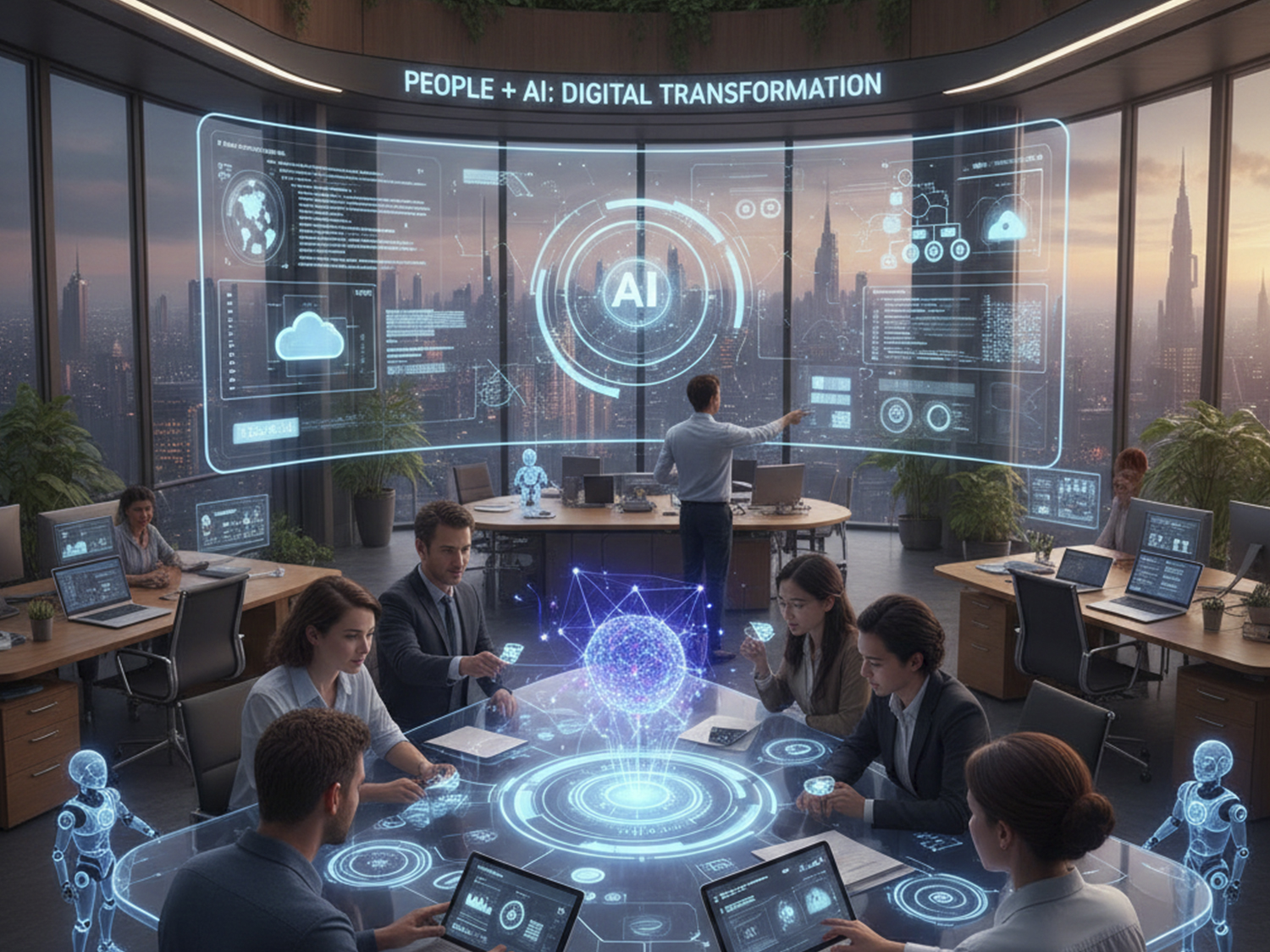
Digital transformation usually sounds perfect when it is explained in presentations or strategy meetings. Everything appears fast, automated, and under control. But once the work reaches real teams and real systems, the situation changes. Processes slow down, costs increase, and tools do not always connect with actual business needs.
At Rilegr, this gap between theory and practice became obvious early on. The biggest improvement did not come from adding more AI tools or replacing workflows overnight. It came from changing how people and AI work together on a daily basis.
AI is strong at speed and structure. People are strong at judgment, context, and responsibility. When both are forced to do the same job, results suffer. When each is allowed to support the other, work becomes lighter and more effective.
How Work Actually Happens at Rilegr
At Rilegr, AI is always part of the workflow, but it is never the final authority. People decide what needs to be built, why it matters, and what success should look like. These decisions are based on experience, business goals, and responsibility toward clients.
Once direction is clear, AI helps move things forward faster. It reduces the distance between an idea and something usable. This keeps momentum high without removing human control from the process.
This approach avoids two common problems. Doing everything manually often slows teams down and increases costs. Blindly trusting automation removes context and creates new risks. Collaboration sits between these extremes, and that balance works.
Speed Shows Up First
The first visible result of proper human and AI collaboration is speed. Not rushed speed, but steady progress. AI handles repetitive tasks, comparisons, and data-heavy work that would otherwise drain time.
People step in when choices need to be made. They decide priorities, trade-offs, and direction. Because of this split, work that once stretched over weeks often finishes much sooner.
This faster pace does not come from lowering quality. It comes from removing unnecessary effort and focusing attention where it actually matters.
Costs Start Making More Sense
AI does not magically remove costs, but it changes how time and money are used. Repetitive work is handled by systems, allowing people to focus on thinking and improvement.
Over time, this leads to fewer errors, less rework, and better use of skills. Teams grow more intentionally instead of expanding just to handle volume.
At Rilegr, this balance helps businesses grow without creating heavy processes or constant pressure on teams.
Website Design and Development in Practice
Website design and development clearly shows how human and AI collaboration works in real projects. AI helps analyze performance, loading speed, user behavior, and technical structure. It highlights issues that are easy to miss manually.
Humans focus on brand voice, trust, clarity, and experience. They decide how information should feel to users and how journeys should flow. AI supports these decisions but does not replace them.
The result is not just a working website. It is a digital platform that supports business goals and can be adjusted without starting from scratch each time.
Better Decisions Through Shared Effort
AI brings information. Humans bring understanding. When both are used together, decisions become easier to make and easier to stand behind.
Data reduces guessing. Context prevents mistakes. This shared responsibility builds confidence across teams.
Why This Model Scales
- AI handles volume and repetition without fatigue
- People maintain direction and accountability
- Processes stay flexible instead of rigid
- Growth remains controlled and intentional
Closing Thought
AI does not replace thinking. It supports it.
At Rilegr, digital transformation works because people and AI move forward together. Not competing. Not replacing. Just doing what each does best.